April 6, 2020
What Pedophilia actually is
- The Neurobiology and Psychology of Pedophilia: Recent Advances and Challenges
- Excerpt: “Pedophilia is defined as an ongoing sexual attraction toward pre-pubertal children (Freund, 1963, 1967; Seto, 2009).”
- A 25-Year Follow-Up of Cognitive/Behavior Therapy With 7,275 Sexual Offenders
- Excerpt: the media defines “pedophile” as “someone who has sex with any minor,” but the clinical definition is “attracted to prepubescent children”
- The Puzzle of Male Chronophilias
- Excerpt: sexual orientation can exist without behavior, and non-offending pedophiles exist
- Self-Identifications, Sexual Development, And Wellbeing in Minor-Attracted People: An Exploratory Study Mirror
- Excerpt: two studies’ samples contained 57% and 79% non-offenders respectively
- Preventing Sexual Abuse: Perspectives of Minor-Attracted Persons About Seeking Help
- Excerpt: “not all people convicted of sex crimes against minors meet criteria for pedophilic disorder, and not all people with pedophilia have sexually abused a child”
Pedophilia is an unchangeable attraction
- Self-Identifications, Sexual Development, And Wellbeing in Minor-Attracted People: An Exploratory Study
- Non-Offending Pedophiles
- “Gold-star” pedophiles in general sex therapy practice
- Excerpt: “There are no compelling data to suggest that pedophiles might be converted into teleiophiles (persons with a primary sexual interest in adults).”
- Pedophilia
- Excerpt: “There is no evidence to suggest that pedophilia can be changed.”
Minor MAPs
- Non-Offending Pedophiles
- preprint version available for free
- Excerpt: “Most of the sample became aware of their pedophilic attraction as they matured into adulthood and described the experience as aging while their attractions did not age along with them."
- Self-Identifications, Sexual Development, and Wellbeing in Minor-Attracted People: An Exploratory Study
- Excerpt: “Despite this later adoption of a minor-attracted identity, participants often first discovered their atypical minor attractions during adolescence. The average reported age of discovery was 15.45 years (SD = 5.67).”
- Youth, Suicidality, and Seeking Care
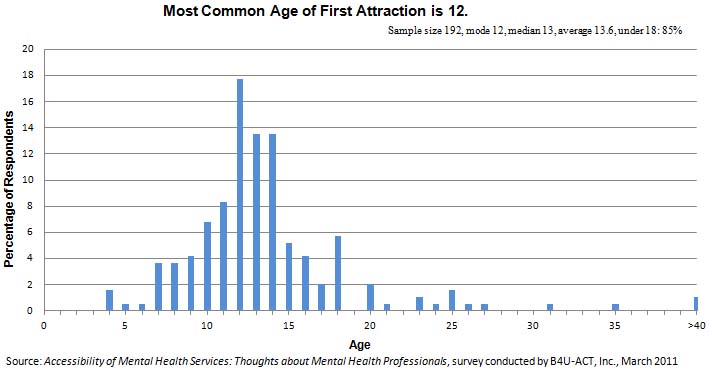
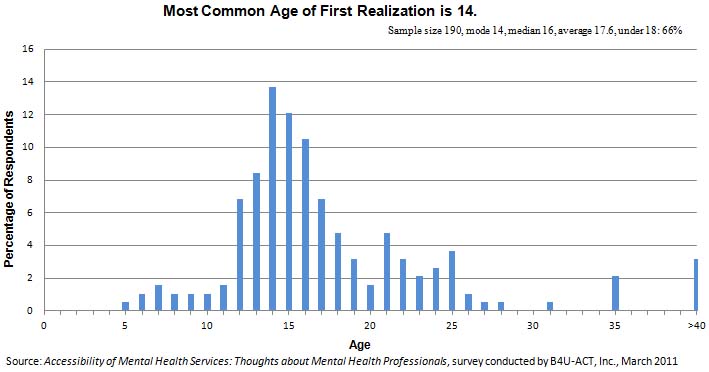
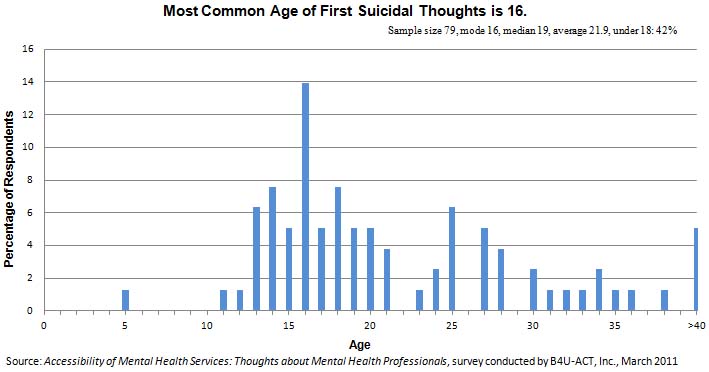
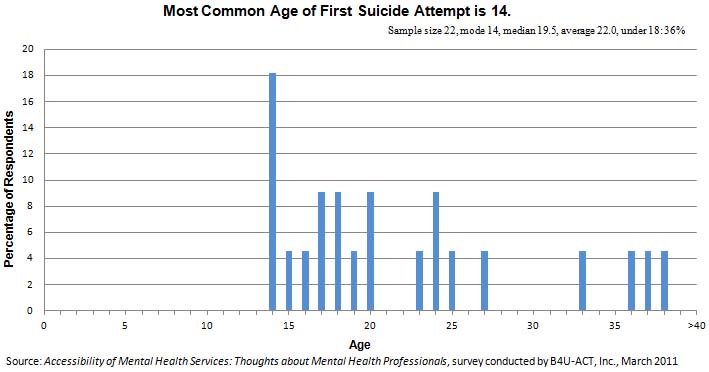
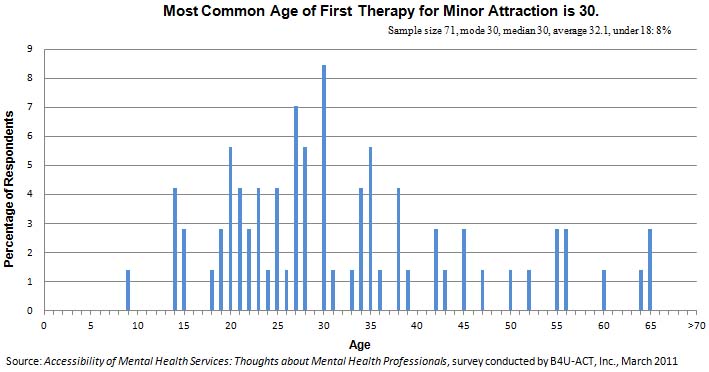
- Excerpt: In this survey, MAPs’ most common reported age of experiencing their first attraction to much younger children was 12, and the most common reported age of discovering that they were a MAP was 14.
- Potential and Dunkelfeld offenders: Two neglected target groups for prevention of child sexual abuse
- Excerpt: “Sexual body age preference, for example, a preference for a prepubescent body, is generally assumed to manifest itself during adolescence and remain unchanged throughout life.”
- Preventing Sexual Abuse: Perspectives of Minor-Attracted Persons About Seeking Help
- Excerpt: MAPs typically become aware of their sexual interests during adolescence
Negative Effects of Stigma for MAPs
- Stigma-Related Stress and Its Correlates Among Men with Pedophilic Sexual Interests
- preprint version available for free
- Excerpt: stigma-related stress has many negative effects, including possibly raising the risk of sexual offences
- Self-Identifications, Sexual Development, and Wellbeing in Minor-Attracted People: An Exploratory Study
- Non-Offending Pedophiles
- Mirror
- Excerpt: May raise the risk of sexual offences.
- Stigmatization of people with pedophilia: two comparative surveys
- Excerpt: it’s a moral panic situation and it is bad and unhelpful, and it may raise the risk of sexual offences.
- Reducing Stigma and Punitive Attitudes Toward Pedophiles Through Narrative Humanization
- Humanizing Pedophilia as Stigma Reduction: A Large-Scale Intervention Study
About Stigma, but not MAPs specifically
- Stigma around child sex offenders works against prevention
- Determinants of Punitive Attitudes Toward People with Pedophilia: Dissecting Effects of the Label and Intentionality Ascriptions
- Emotions and Cognitions Associated with the Stigma of Non-Offending Pedophilia: A vignette Experiment
- Stigmatizing attitudes towards people with pedophilia and their malleability among psychotherapists in training
- Stigmatization of People With Pedophilia: A Blind Spot in Stigma Research
- Preventing Sexual Abuse: Perspectives of Minor-Attracted Persons About Seeking Help
- The Stigma of Pedophilia: Clinical and Forensic Implications
- Obstacles to Help-Seeking for Sexual Offenders: Implications for Prevention of Sexual Abuse
Therapy for MAPs
- Psychotherapy for the Minor-Attracted Person
- Excerpt: “The preferred model of treatment is LGBT affirmative psychotherapy, which treats sexual feelings as innate, unchangeable and subject to personal acceptance. The American Psychological Association provides guidelines on its website (see below). Applied to the minor-attracted person, affirmative therapy separates sexual orientation from its expression, emphasizing acceptance and personal growth. This in no way endorses sexual contact between adults and minors.”
- The German Dunkelfeld Project: Proactive Strategies to Prevent Child Sexual Abuse and the Use of Child Abusive Images
- scientific article on the positive way Germany treats non-offending pedophiles
- How Germany treats paedophiles before they offend
- easier-to-read news article on the positive way Germany treats non-offending pedophiles
- Non-Offending Pedophiles
- preprint version available for free
- Excerpt: “Professionals helped some of these men accept their pedophilic interests by separating their sexual attraction from their sexual behavior and by managing their sense of selves (e.g.,distancing themselves from stories of “child rapists” [25 p8]). Engaging with other pedophilic individuals helped these men see that others with their interests were able to avoid offending, which brought a sense of hope. Having other social supports that knew about their interests helped because their supports could help them maintain boundaries with children, challenge potentially distorted thinking, and provide them with feedback regarding their behavior with children.”
- B4U-ACT FAQ
- MAPs often have negative experiences with therapy
- Pedophilia
- Excerpt: “There is no evidence to suggest that pedophilia can be changed. Instead, interventions are designed to increase voluntary control over sexual arousal, reduce sex drive, or teach self-management skills to individuals who are motivated to avoid acting upon their sexual interests.”
- Preventing Sexual Abuse: Perspectives of Minor-Attracted Persons About Seeking Help
- Excerpt: stigma and mandatory reporting laws discourage help-seeking; therapists often refuse to work with pedophiles; the “help” pedophiles receive is often unhelpful
- “Understanding The Treatment Barriers For Minor-Attracted Persons Living In The Community”, Sarah Moss
- Letter to Twitter in support of the MAP community
- Open Letter to Twitter, signed by MAPs and Allies
Non-Pedophile Child Sex Offenders
- Self-Identifications, Sexual Development, and Wellbeing in Minor-Attracted People: An Exploratory Study
- Excerpt: only around half of sex offenders against children are pedophiles
- The German Dunkelfeld Project: Proactive Strategies to Prevent Child Sexual Abuse and the Use of Child Abusive Images
- Excerpt: 60% of known offenders are situational
- A 25-Year Follow-Up of Cognitive/Behavioral Therapy with 7,275 Sexual Offenders
- Excerpt: 57% of sex offenders against children in a sample were non-pedophiles
- Juveniles Who Commit Sex Offenses Against Minors
- Mirror
- Excerpt: one-third of sexual offenders against children are juveniles
- Child Sexual Abuse Statistics
- Mirror
- Excerpt: as many as 40% of CSA victims have abusers who are other children
- The Prevention of Childhood Sexual Abuse
- Mirror
- Excerpt: the stereotype of “all child sex offenders are pedophiles” works against prevention
- EPA-0284 – Pedophiles and (or) child molesters
- Excerpt: Only a small part (16,2 %) of sexual offenders against children meet the criteria (DSM-IV-TR) for pedophilia.
- On solid ground. Tackling sexual violence against children
- Excerpt: another study found that 80% of child sex offenders were non-pedophiles
- A Brief Screening Scale to Identify Pedophilic Interests Among Child Molesters
- Excerpt: another study found 73% of a sample of child sex offenders to be non-pedophiles
- Understanding the Difference Between Preferential and Situational Child Sexual Abusers
- a blog post that explains about situational/non-pedophile child sexual offenders
- Potential and Dunkelfeld offenders: Two neglected target groups for prevention of child sexual abuse
- Excerpt: summarizing several studies, around 50-75% of offenders are not pedophiles
Misc sources on pedophilia
- Self-Identifications, Sexual Development, and Wellbeing in Minor-Attracted People: An Exploratory Study
- Excerpt: more than 5-10% of males and 1-4% of females
- The Neurobiology and Psychology of Pedophilia: Recent Advances and Challenges
- Excerpt: true pedophilic sexual preference ~1%, general fantasies 3-5%
- Useful list of chronophilias
- “nepiophilia (infant/toddlers), pedophilia (prepubescent children), hebephilia (pubescent children), ephebophilia (postpubescent, sexually maturing adolescents), teleiophilia (young sexually mature adults, typically 20s and 30s), mesophilia (middle-aged adults, typically 40s and 50s), and gerontophilia (elderly adults, typically 60s and older)”
- “Sexual age preference is technically not for age but for sexual maturity stage, as reflected in body size and shape, secondary sexual characteristics, and other visible features (e.g., smooth vs. wrinkled skin, colored vs. gray/white hair).”
- Non-Offending Pedophiles
- preprint version available for free
- Excerpt: “For some, being in social relationships with children (e.g., friendships and coaching) and the emotional attraction they experienced were more satisfying than the possibility of having a sexual relationship with a child [25, 26]. Further, when some of these men did not have social relationships with children, they felt more fixated on and troubled by their attraction.”
- Self-Identifications, Sexual Development, and Wellbeing in Minor-Attracted People: An Exploratory Study
- The term “minor-attracted person” (abbreviated MAP) is more accurate in many cases.
- Child Pornography Offenses Are a Valid Diagnostic Indicator of Pedophilia
- Excerpt: 61% of child pornography offenders in a study’s sample qualified for a diagnosis of pedophilia. The rest did not. CSEM offenders who are not pedophiles exist, but are not the majority.
- Preventing Sexual Abuse: Perspectives of Minor-Attracted Persons About Seeking Help
- Excerpt: 42% of MAPs in a sample qualified as pedophiles (primarily attracted to prepubescent children). This means that the rest of the MAPs (minor attracted persons) in the sample were not pedophiles, and that saying “all MAPs are pedophiles” is incorrect.
- The Stigma of Pedophilia: Clinical and Forensic Implications
- LGBTQ+ people and MAPs experience stigma similarly. This is recognized by professionals.
- Psychotherapy for the Minor-Attracted Person
- Professionals also recommend that MAPs be treated with a model of LGBT affirmative psychotherapy (which does not endorse adult-child sex).
Professionals recognizing pedophilia as a sexual orientation
Michael C. Seto:
Fred S. Berlin:
David Finkelhor (mentions it, not the focus):
J. Michael Bailey, Kevin J. Hsu, Paula A. Bernhard (another mention):
B4U-ACT (organization composed of multiple professionals):
Gilian Tenbergen, Matthias Wiitfoth, Helge Frieling, Jorge Ponseti, Martin Walter, Henrik Walter, Klaus M. Beier, Boris Schiffer, Tillmann H. C. Kruger:
Psychologytoday.com:
Katarina Alanko, Benny Salo, Andreas Mokros, Pekka Santtila:
Sara Jahnke:
Sources that use “MAP” or “Minor-Attracted People” or similar terms
Sources that use the abbreviation “MAP” outside of quotations:
- Preventing Sexual Abuse: Perspectives of Minor-Attracted Persons About Seeking Help
- Obstacles to Help-Seeking for Sexual Offenders: Implications for Prevention of Sexual Abuse
- Preventing Sexual Abuse: Perspectives of Minor-Attracted Persons About Seeking Help
- Psychotherapy for the Minor-Attracted Person
- Twitter thread about the origins of the term
Sources that use the phrase “minor-attracted people” (or “minor-attracted persons”) but do not abbreviate it outside of quotations:
- How pedophilic men think about adult-child sex: effects of child gender and physical maturity
- Self-Identifications, Sexual Development, and Wellbeing in Minor-Attracted People: An Exploratory Study
- The Politics of being a Pedophile Mirror
Sources that use the phrase “minor-attracted men” but do not use “minor-attracted perons”(/people) or the abbreviation outside of quotations:
- Navigating the Stigma of Pedophilia: The Experiences of Nine Minor-Attracted Men in Canada
- Non-Offending Pedophiles
Sources that use the phrase “child-attracted men” but do not use “minor-attracted persons”(/people) or the abbreviation outside of quotations:
Sources that use the phrase “minor-attracted adults” but do not use “minor-attracted persons”(/people) or the abbreviation outside of quotations:
- “Understanding and Addressing Adult Sexual Attraction to Children - A Study of Paedophiles in Contemporary Society” by Sarah D. Goode
DSM-5 and paraphilias
- Diagnostic and Statistical Manual of Mental Disorders, Fifth Edition (DSM-5)
- DSM to Distinguish Paraphilias From Paraphilic Disorders
- Pedophilia and DSM-5: The Importance of Clearly Defining the Nature of a Pedophilic Disorder
- DSM-5 and Paraphilic Disorders
Miscellaneous Research studies
- Cerebral white matter deficiencies in pedophilic men
- Intelligence, Memory, and Handedness in Pedophilia
- Virtual Child Pornography Laws and the Constraints Imposed by the First Amendment
- Child pornography, pedophilia, and contact offending: the empirical research
- EVERYDAY PICTURES OF CHILDREN IN SEXUALIZING CONTEXT 2020
- There’s reason to believe that pedophiles may have more empathy than non-pedophiles
- Exploring the psychological characteristcs of individuals who own sex dolls Jun 22, 2021
- Excerpt: “To conclude, this first psychological investigation of sex doll owners appears to support the view that doll ownership is a functional response to a history of poor quality or broken relationships, which in turn are possibly attributable to various beliefs about the unknowability of potential sex partners, less secure attachment styles, and poorer than average levels of sexual self-esteem. Contrary to sociological and legal arguments about the increased risk of sexual aggression, we found no evidence of an increased risk of sexual aggression among sex doll owners despite their statistically higher level of self-reported biastophilic fantasizing. In sum, we hope that our data can advance a more evidence-informed socialconversation about sex doll ownership, shifting the focus away from blanket criminalization and stigmatization and towards a functional analysis of how, why, and under what conditions dolls are incorporated into healthy sexual expression.”
- Can Nonoffending Pedophiles Be Reached for the Primary Prevention of Child Sexual Abuse by Addressing Nonoffending Individuals Who Are Attracted to Minors in the United States? New Strategies with The Global Prevention Project (Mirror)
- Romantic and Sexual Relationships with Adult Partners Among Pedohebephilic Men
- Fantasy Sexual Materials Use by People with Attractions to Children
- Misrepreseting the “MAP” Literature Does Little to Advance Child Abuse Prevention: A Critical Commentary and Response to Farmer, Salter, and Woodlock (Mirror)
Sexual Interest in Children
- Sexual Interest in Children Among Women in Two Nonclinical and Nonrepresentative Online Samples
- Men’s Sexual Interest in Children: One-Year Incidence and Correlates in a Population-Based Sample of Finnish Male Twins
- Sexual Interest in Children Among an Online Sample of Men and Women
- Sexual Desire Among an Online Sample of Men Sexually Attracted to Children
- Exploring the Ownership of Child-Like Sex Dolls
- Exploring the Psychological Characteristics and Risk-related Cognitions of Individuals Who Own Sex Dolls (*this specific study does not include child sex dolls)
- The Self-Reported Sexual Real-World Consequences of Sex Doll Use
Huge credit to @alwaysbe_kind for compiling this list of sources

